

EAST RIDING – A Care Quality Commission (CQC) report has rated East Riding’s adult social care “inadequate” — the lowest grade possible.
The watchdog found a system that is too slow to protect people, too disorganised to deliver timely support, and too poorly led to fix known problems. Here are 8 key takeaways from the report and the response from East Riding Council who are already working on an improvement plan.
The CQC’s language is measured, but the message is stark. Inspectors describe a system that repeatedly leaves vulnerable people waiting until they reach crisis, cannot guarantee timely safeguarding, lacks planning and oversight, and fails to support people to live independently.
Alan Menzies, interim chief executive of East Riding of Yorkshire Council, said: “We take the findings of this inspection extremely seriously. People in the East Riding deserve timely, high-quality care and support, and we have already started making the necessary changes to ensure this happens.
“I was reassured to read in the CQC report that our new executive director of adult social care, Kim Curry brings stability and is having a significant positive effect on culture, strategy and outcome.”
8 Key issues raised by the Care Quality Commission
Below are the eight most important findings — in plain English, backed by the CQC’s own words and evidence.
- The system that is failing the people it exists to support
The report concludes that the council is not meeting its basic responsibilities. People are being left to wait until their situation becomes urgent, safeguarding responses are slow, strategies are missing or outdated, and there is a lack of capacity across the system. While frontline staff were praised for their compassion, the structure around them is described as fragmented, reactive and unable to keep people safe.
Impact on residents: people who could have been supported much earlier are instead hitting crisis point, and avoidable deterioration is going unchecked.
- Leadership and planning have broken down
The inspectors concluded that planning and governance failures have been allowed to build up over time.
The report stated: “Some key strategies were delayed or non-existent… strategic planning gaps limited the local authority’s governance and strategic planning… services did not support people sufficiently to promote healthier lives and independence.”
Impact on residents: known problems have gone unaddressed and uncorrected.
- People are waiting so long that their needs worsen
The CQC found extensive delays at every stage of the process, from assessments and reviews to equipment and care packages. These delays mean people’s conditions are deteriorating before support arrives. The report stated: “People waited for assessments or services, though this was based on risk… staff described supporting people in crisis. Where people waited, processes had been recently updated to ensure regular reviews to identify if need or risk had changed. However, this wasn’t always effective, and staff described supporting people in crisis. Some people told us they had to complain to get their voice heard.”
“People waited for assessments or services based on risk, but this was not always effective and staff described supporting people in crisis because the help they needed had not been provided. Some people told us they had to complain to get their voice heard, and communication about progress was limited.”
Impact: people at risk of harm or abuse are not always being protected when they most need urgent action.
- People leaving hospital are losing independence they could have kept
A major concern highlighted by the CQC is the lack of effective “reablement” — the short-term support that helps people recover and live independently after a hospital stay.bThe report stated: “People were often deskilled and lost potential independence because reablement was not available and people were not receiving these services. People were being discharged from hospital when medically well to short-term residential care… people were often deskilled and lost potential independence because reablement was not available.”
Impact on residents: instead of rebuilding strength and confidence at home, people are becoming more dependent and more likely to remain in long-term care.
- Rural residents face even longer delays — or no care at all
The geography of the East Riding was found to be a major factor in whether people receive support at all. The report stated: “Some people in rural areas were more likely to experience significant delays to their care. In some cases, issues were so severe people who could have returned home following a hospital stay had been unable to due to a lack of capacity.” full_book_east-riding-yorkshire.
“Safeguarding enquiries were not always timely and there were delays in processes which meant enquiries were not always prioritised. There were 437 open safeguarding concerns at the time of our assessment, with 383 of these still awaiting initial fact-finding work, creating risks for people who may have been unsafe.”
Impact on residents: access to care currently depends on where you live — which goes against the Care Act principle of fairness and equality of access.
- Families must fight to be heard
The CQC heard repeated evidence that residents and carers are having to chase, complain or escalate just to get basic communication or decisions.
The report stated: “People told us they had to complain to get their voice heard. Communication could be limited… there were some key issues in the information provided to people.” full_book_east-riding-yorkshire
Impact: instead of being supported, families are worn down by bureaucracy at a time when they are already under stress.
- Some residents do not get fair or accessible support
People with protected characteristics or communication needs did not always receive equitable support or adjustments.
The report stated: “There was not enough focus or understanding of the experiences of people with protected characteristics… people’s experiences and outcomes were not always equitable. Some people told us their preferred inclusion and accessibility arrangements were not always followed.” full_book_east-riding-yorkshire.
“People were often deskilled and lost potential independence because reablement was not available and people were not receiving these services. People were being discharged from hospital to short-term residential care, but reviews were delayed and they remained there longer than necessary, losing skills and confidence they should have regained.”
- Key systems are outdated and unreliable
The CQC found that fundamental processes and information systems are not fit for purpose.
The report stated: “Information systems… were limited and not sufficiently robust.
The duplication of recording tasks across systems affected staff capacity and risked further information security incidents and data loss.” full_book_east-riding-yorkshire…
Impact on residents: delays, lost information, and inconsistent decision-making become inevitable.
What happens now?
Because the overall rating is “inadequate”, the council must now produce a legally required improvement plan and will be closely monitored by the CQC. The
regulator can take further action if progress is slow. Improvements will take time, and residents should not expect rapid change.
What have East Riding Council said?
In its public response, East Riding Council acknowledged the CQC’s “inadequate” rating and accepted that too many residents are currently waiting far too long for assessments and support.
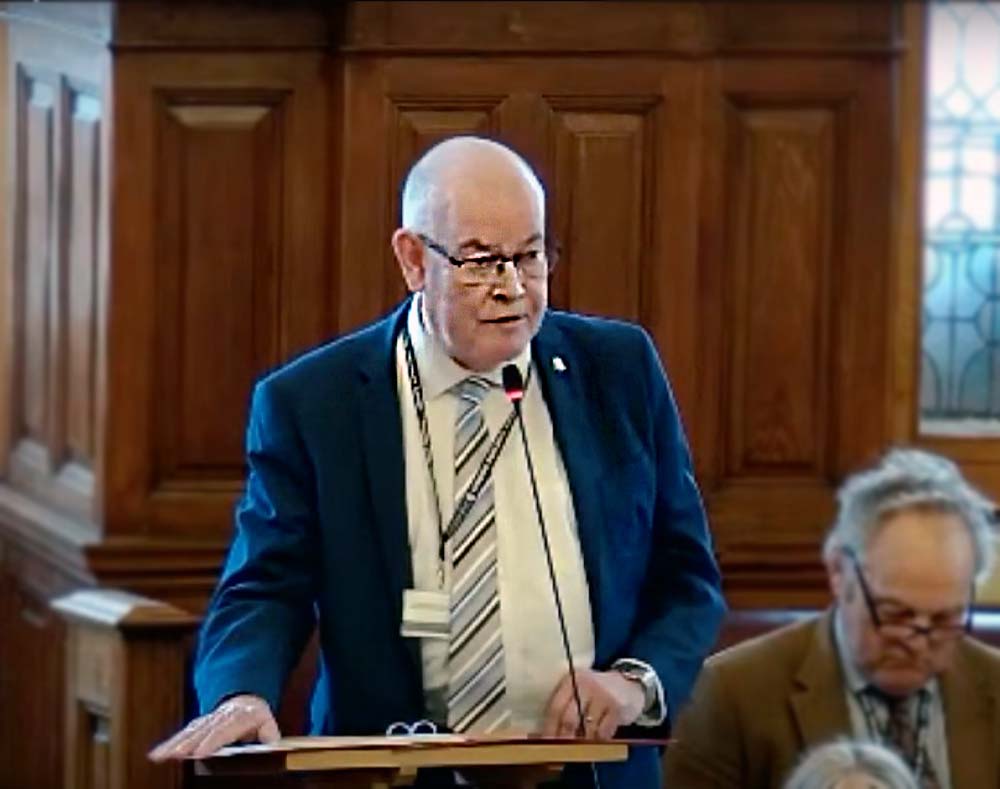
The authority said it recognised this was “unacceptable” and pledged to take urgent action to address the failings highlighted by inspectors.
The council stated that an improvement plan is already underway, supported by an independent improvement partner, and promised to involve service-users, carers, partners and providers more closely in reshaping adult social care.
The authority said it is determined to deliver change at pace and rebuild public confidence in the service.
According to the statement, the council intends to prioritise cutting waiting times, strengthening safeguarding practice, improving leadership and oversight, and fixing weaknesses in data, recording and performance management.
While it referenced financial pressures and rising demand, the council was clear that these challenges do not excuse poor performance, and it emphasised that frontline staff are committed and working hard.
The authority said it is determined to deliver change at pace and rebuild public confidence in the service.
Read the full report: https://www.cqc.org.uk/care-services/local-authority-assessment-reports/eastriding-1025