

EAST RIDING – East Riding of Yorkshire Council has stepped up its challenge to the Government’s proposed Fair Funding changes after provisional figures showed the authority could lose more than £32 million a year in core funding.
The Government’s provisional Fair Funding statement, published in December, would see the East Riding among the worst affected councils in England once the changes are fully phased in from 2026 to 27.
Under the current calculations, the council is set to lose £32.2 million from its annual settlement funding, phased in over three years. The reduction would begin with a £9.2 million cut in 2026 to 27. These figures are before inflation is taken into account, meaning the real terms impact would be significantly higher.
Council leader Councillor Anne Handley said the settlement failed to recognise the cost of delivering services across a large and predominantly rural authority.
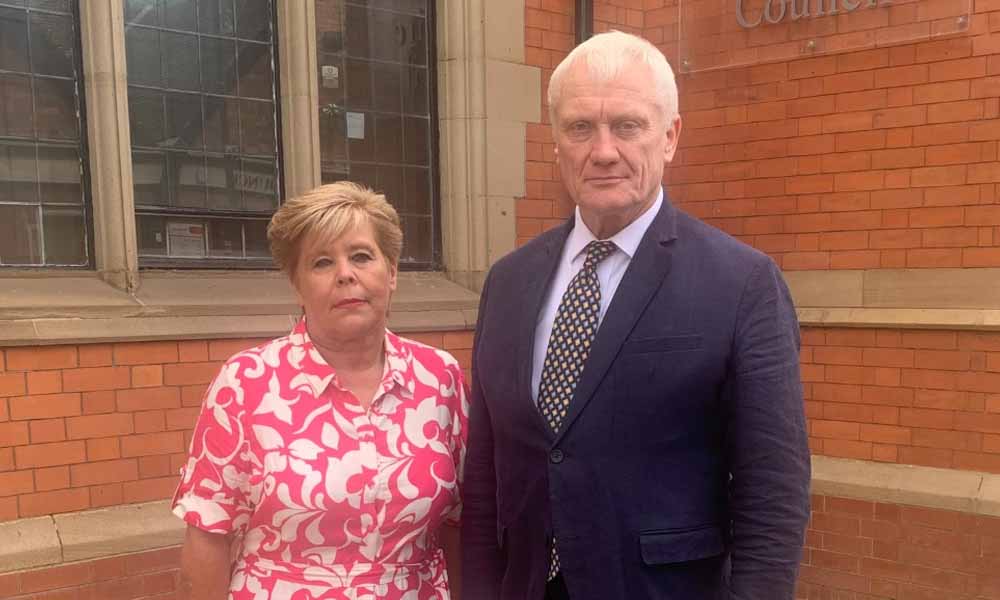
She said the new formula focuses heavily on deprivation and does not reflect the reality of providing services across dispersed rural communities, adding that as the figures currently stand the East Riding is one of the worst affected councils in the country.
The council has submitted a formal response to the Government’s Fair Funding consultation and is continuing to work with East Riding MPs to lobby ministers for changes before the settlement is finalised.
Among those raising concerns is Graham Stuart, Conservative MP for Beverley and Holderness, who has warned that the structure of the settlement effectively forces councils to rely on higher council tax to fill the gap left by reduced central funding.
“Families across the East Riding are being hit with a £200 tax bombshell,” he said. “The Government talks about more money and certainty, but the reality is that the settlement only works if council tax goes up by nearly five per cent every year. People were told there would be no new taxes on working families. Instead, households are paying more while services are squeezed. This is people paying more and getting less, and it is the direct result of government policy.”
At recent council meetings, councillors from across the chamber have also voiced concern that the revised funding formula risks penalising authorities like the East Riding, which face higher costs due to geography, transport distances and an ageing population but do not score highly under deprivation based measures.
Councillors warned that the proposed cuts would have long term consequences, shaping decisions on local services and council tax for years to come.
The Fair Funding Review is intended to redistribute central government support according to assessed need. However, East Riding Council argues that the new approach places insufficient weight on rurality, population spread and the cost of maintaining services across a large geographic area.
Council officers have also warned that the headline figures understate the full impact, as the reductions are calculated before inflation and do not reflect rising demand for statutory services, particularly adult social care.
Despite continuing to press its case with Government, the council has acknowledged that it must plan on the basis that the settlement could go ahead largely unchanged.
In response, East Riding has already begun a wide ranging review of how it operates. This includes a strategic review of services, the development of a new target operating model, and a commitment to redesign how services are delivered across the authority.
Councillor Handley said these changes were intended to ensure the council remained financially sustainable while continuing to meet residents’ needs.
She said the challenges were significant but so were the opportunities, adding that the council was determined to build a more resilient authority capable of delivering for local communities in the years ahead.
The Fair Funding settlement remains provisional, with final decisions expected ahead of the 2026 to 27 local government finance settlement.
Until then, the council says it will continue to press for changes to the formula while preparing for difficult decisions if the funding reductions are confirmed.
For residents, the outcome of the appeal could have far reaching implications for council tax, local services and how the authority operates in the years ahead.
Anne, if any one can get the funding, you can, good luck (I know it’s not luck). It will be hard graft and your ability to communicate with the right people in a language they’ll all understand. You’ll always have my support. John