
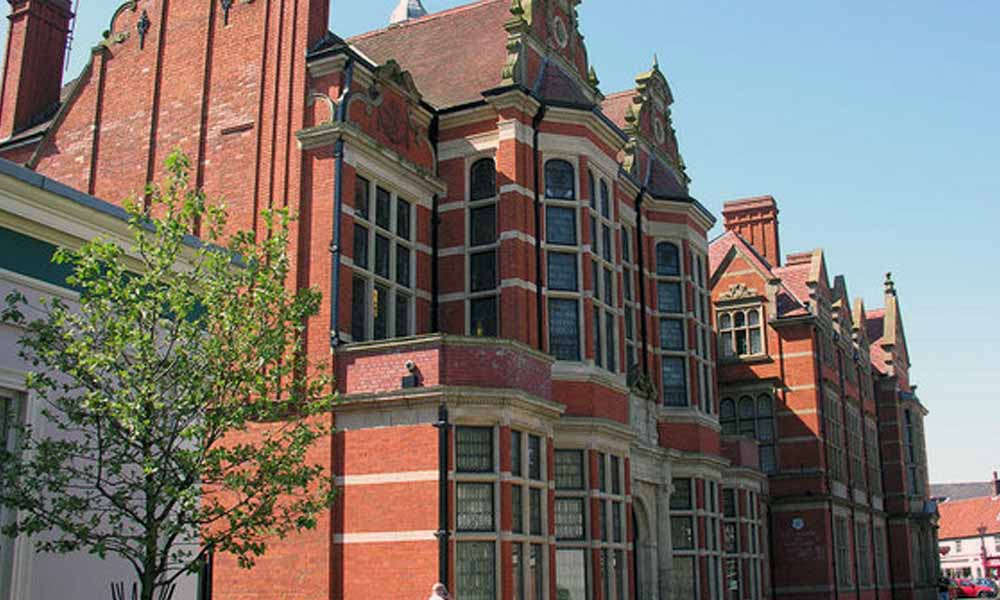
BEVERLEY – All eyes will be on County Hall today as East Riding of Yorkshire Council meets in Full Council to debate and vote on its proposed budget for 2026–27, setting the financial direction for the unitary authority for the year ahead and shaping council tax, housing rents and major spending priorities across Beverley and the wider East Riding.
Councillors will first be asked to approve the Treasury Management Strategy and Minimum Revenue Provision Policy for 2026–27, which sets out how the council will manage its borrowing, investments and debt repayments over the coming year. This underpins how the authority funds capital projects and manages financial risk at a time of sustained pressure on local authority finances.
The meeting will then move on to the Housing Revenue Account budget and financial plan covering 2026–27 to 2029–30. Councillors are being asked to approve the overall HRA budget, individual council house rents, a 4.8 per cent increase in service charges, increases to shared ownership rents of 4.8 per cent, and a programme of capital investment in council housing alongside affordable housing proposals. These decisions directly affect tenants in council-owned homes across the East Riding, including in Beverley, through changes to rents and service charges and the scale of planned investment in housing stock.
The central item on the agenda is the Council’s Business Plan and Budget for 2026–27 and the medium-term financial plan through to 2029–30. The budget will be formally proposed by Councillor Wilkinson and seconded by Councillor Handley, followed by budget statements from the Liberal Democrat Group, Independent Group, Labour Group and Reform UK Group. The final decision will be taken by a recorded vote, meaning how each councillor votes will be publicly recorded.
The political context adds to the uncertainty around the outcome. The council has no overall majority, with the Conservative administration relying on support from the Independent Group to pass key votes. Attention is also focused on the growing number of councillors who sit outside the main groupings. There are now nine non-affiliated councillors, the highest number the authority has seen, and their votes are expected to be pivotal in determining whether the budget is approved or falls.
If the budget does not secure majority support, the council would be left without an agreed financial framework for the new financial year. In practice, this would require the administration to return to Full Council with revised proposals, potentially following negotiations with other groups and non-aligned councillors to secure sufficient backing. Failure to set a lawful budget would place the authority in a difficult financial position and could delay the implementation of spending plans and service allocations for the year ahead.
Councillors will also be asked to approve the process for setting council tax for 2026–27. This includes agreeing council tax and special expenses at the levels recommended and authorising officers to collect and recover council tax and business rates. The final council tax resolution, including the precepts set by town and parish councils as well as the Fire and Rescue Service and Police and Crime Commissioner, will be brought back to Council later in February for formal approval. Members who are more than two months in arrears with their own council tax are legally barred from voting on the council tax decision.
The votes taken today will shape how much residents in Beverley ultimately pay in council tax once all precepts are combined and will determine the council’s spending priorities for the coming year. With the balance of power finely poised, the outcome of the recorded vote is likely to turn on a small number of councillors and will be closely watched across the East Riding.